ALEXANDROS IOLAS
  1. Home
  2. The Man
  3. Artists
  4. Archive
  5. Media
  6. Contact
EN/ΕΛ
Art Dealer · Patron of the Avant-Garde

AlexandrosIolas

1907 — 1987Alexandria · Athens · Paris · New York
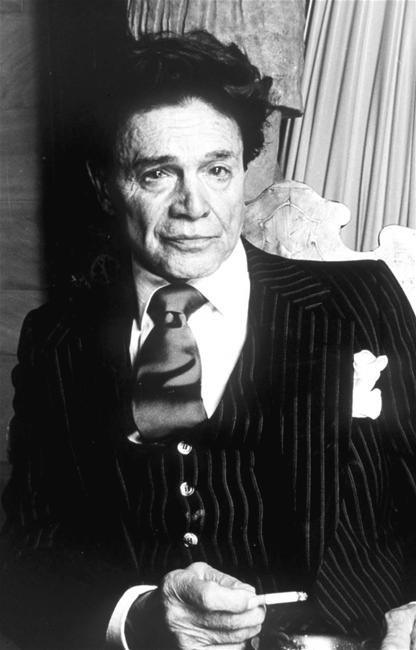
Alexandros Iolas

“I don't sell art. I make people fall in love with the artworks I adore”
— Alexandros Iolas
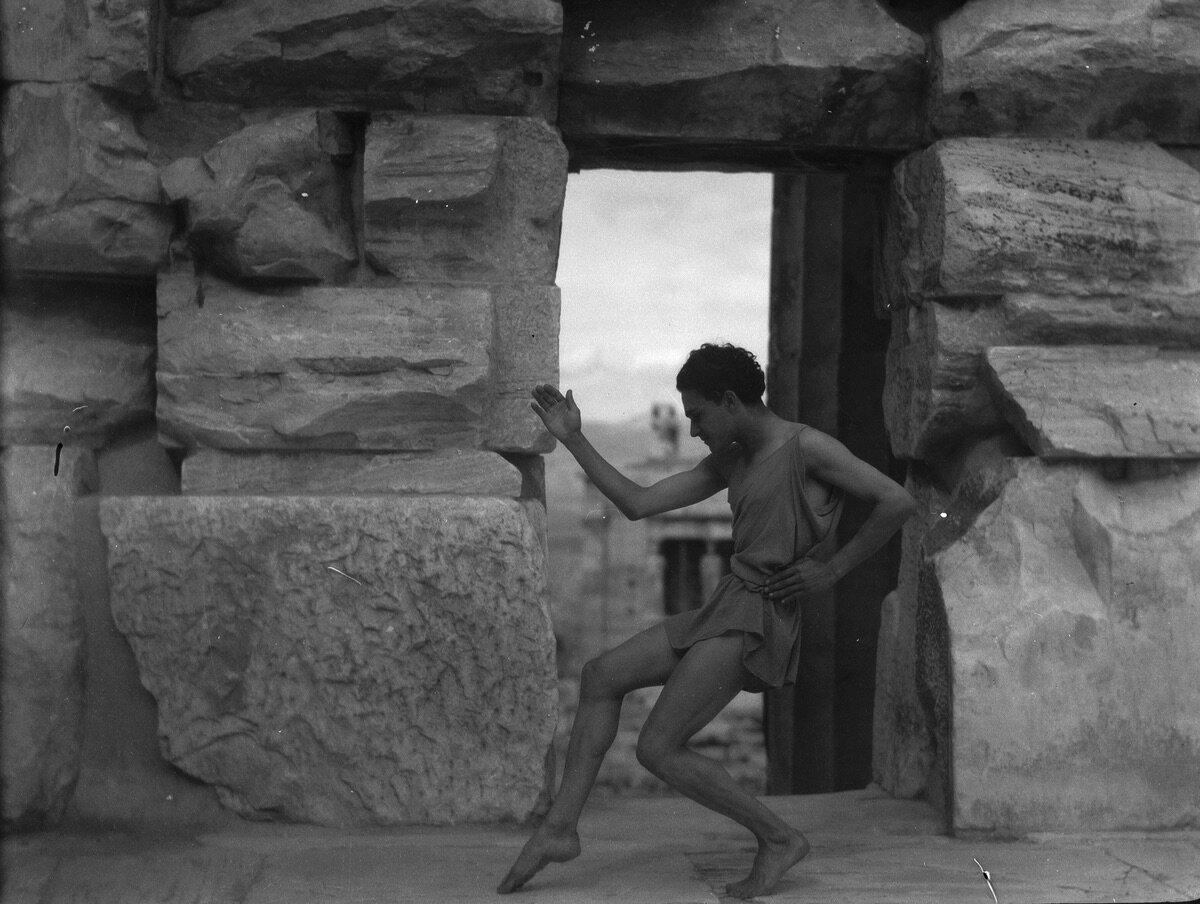
Alexander Iolas dancing on the Acropolis, Athens, 1930sDancing on the Acropolis · Athens, 1930s
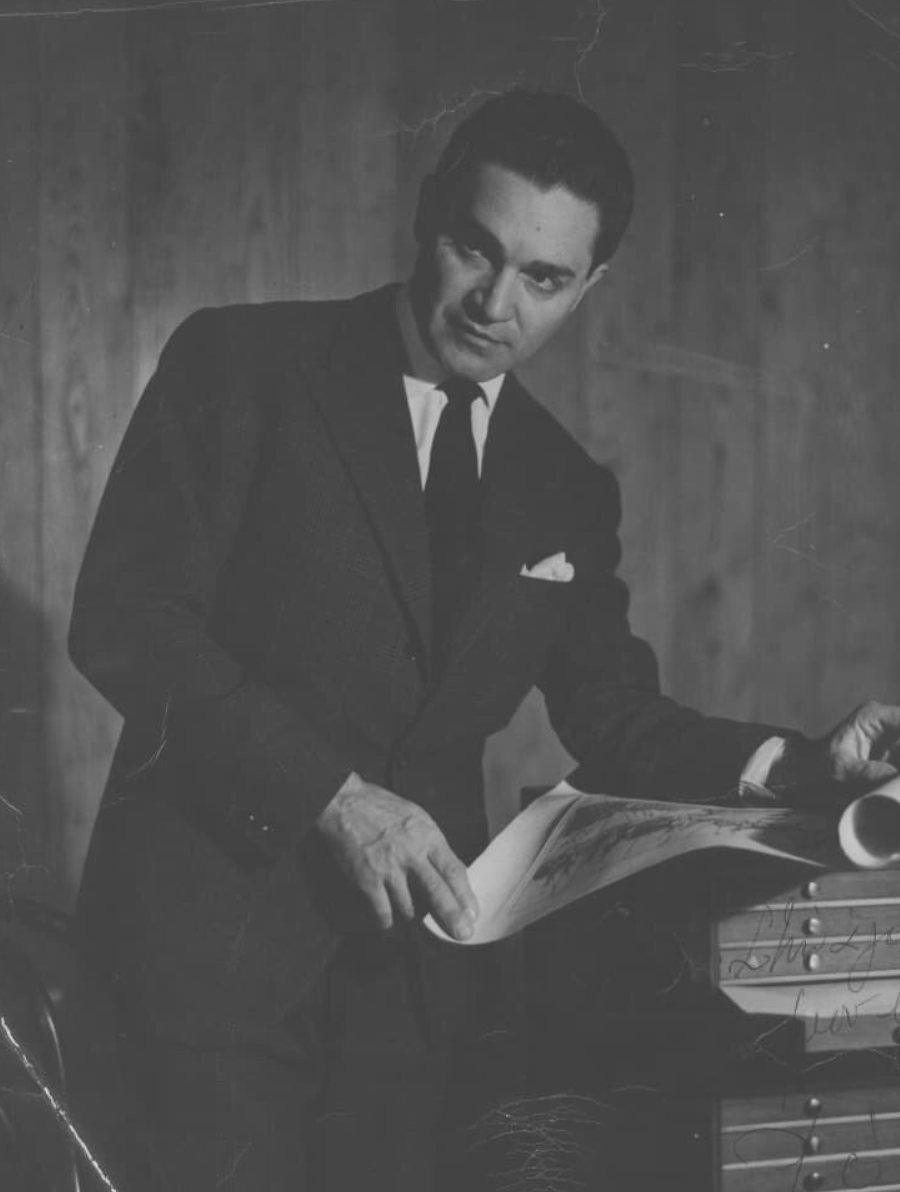
Alexander Iolas
The Man

Alexandros Iolas (1907–1987) was one of the most influential art dealers of the 20th century — patron of the Surrealists, champion of Andy Warhol, and an unflinching advocate for the artists he adored.

  1. 1907Born in Alexandria, Egypt
  2. 1935Debut at the Metropolitan Opera House, New York
  3. 1945Gives up dancing for art
  4. 1965–76The golden age of his career
Read the biography
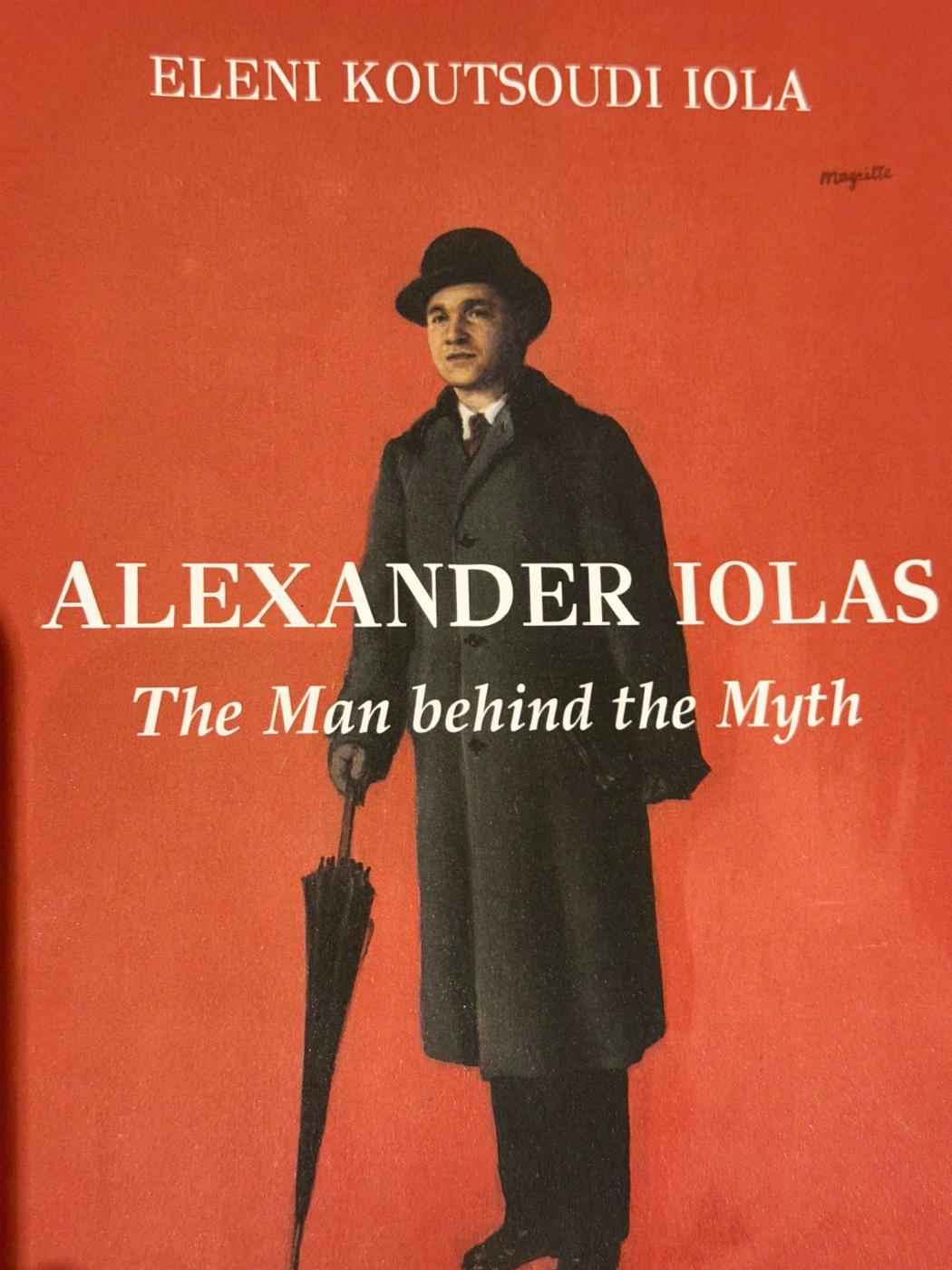
New Publication Alexander Iolas: The Man behind the Myth
New Publication · English Edition

Alexander Iolas: The Man behind the Myth

by Eleni Koutsoudi Iola
“This time Alexander the Great started from the Nile. His power was the work, his kingdom was the spirit, his beauty was art”.

Alexander Iolas was a multifaceted personality who was too complex to fit into categories. He possessed remarkable brilliance, which consistently guided him successfully to the next stage of his career. Until 1976, he faithfully followed the command “Always keep developing” bestowed upon him by his spiritual father, Angelos Sikelianos.

Yet in the last chapter, his compass lost its true North. He chose to leave Calypso behind, rejecting the gift of immortality she placed in his hands, and turned instead toward Ithaca- a homecoming that offered only a “false and illusory destination.” Thus, the prodigal son, the eternal rebel, returned to Greece, the land that would become the ground of his self-fulfilling prophecy.

Unverified words and testimonies, devoid of evidence, often embellish various publications even today, while unfounded allegations continue to circulate unchecked, perpetuating frivolous fabrications. Having left an unfulfilled promise behind, Eleni Koutsoudi-Iola, the niece of Alexander Iolas, narrates the well-documented story of his life, dismantling myths and revealing the Man behind the Myth.

«Αυτή τη φορά ο Μέγας Αλέξανδρος ξεκίνησε από τον Νείλο. Η δύναμή του ήταν το έργο, το βασίλειό του ήταν το πνεύμα, η ομορφιά του ήταν η τέχνη».

Ο Αλέξανδρος Ιόλας ήταν μια πολυδιάστατη προσωπικότητα, πολύ σύνθετη για να ενταχθεί σε κατηγορίες. Διέθετε μια αξιοσημείωτη λάμψη, που τον οδηγούσε με συνέπεια και επιτυχία στο επόμενο στάδιο της σταδιοδρομίας του. Μέχρι το 1976, ακολούθησε πιστά την προτροπή «Πάντα να εξελίσσεσαι», που του είχε δώσει ο πνευματικός του πατέρας, Άγγελος Σικελιανός.

Ωστόσο, στο τελευταίο κεφάλαιο, η πυξίδα του έχασε τον αληθινό της Βορρά. Επέλεξε να αφήσει πίσω την Καλυψώ, απορρίπτοντας το δώρο της αθανασίας που εκείνη του πρόσφερε, και στράφηκε αντ’ αυτού προς την Ιθάκη — έναν νόστο που πρόσφερε μόνο έναν «ψεύτικο και απατηλό προορισμό». Έτσι, ο άσωτος υιός, ο αιώνιος επαναστάτης, επέστρεψε στην Ελλάδα, τη γη που θα γινόταν το έδαφος της αυτοεκπληρούμενης προφητείας του.

Ανεπιβεβαίωτα λόγια και μαρτυρίες, χωρίς αποδείξεις, στολίζουν συχνά διάφορες εκδόσεις ακόμη και σήμερα, ενώ αβάσιμοι ισχυρισμοί εξακολουθούν να κυκλοφορούν ανεξέλεγκτα, διαιωνίζοντας επιπόλαιες κατασκευές. Έχοντας αφήσει πίσω μια ανεκπλήρωτη υπόσχεση, η Ελένη Κουτσούδη-Ιόλα, ανιψιά του Αλέξανδρου Ιόλα, αφηγείται την καλά τεκμηριωμένη ιστορία της ζωής του, αποδομώντας μύθους και αποκαλύπτοντας τον Άνθρωπο πίσω από τον Μύθο.

Buy on Amazon
Artists

Exceptional artists from all over the world

Most of them were close friends
All artists
Bio

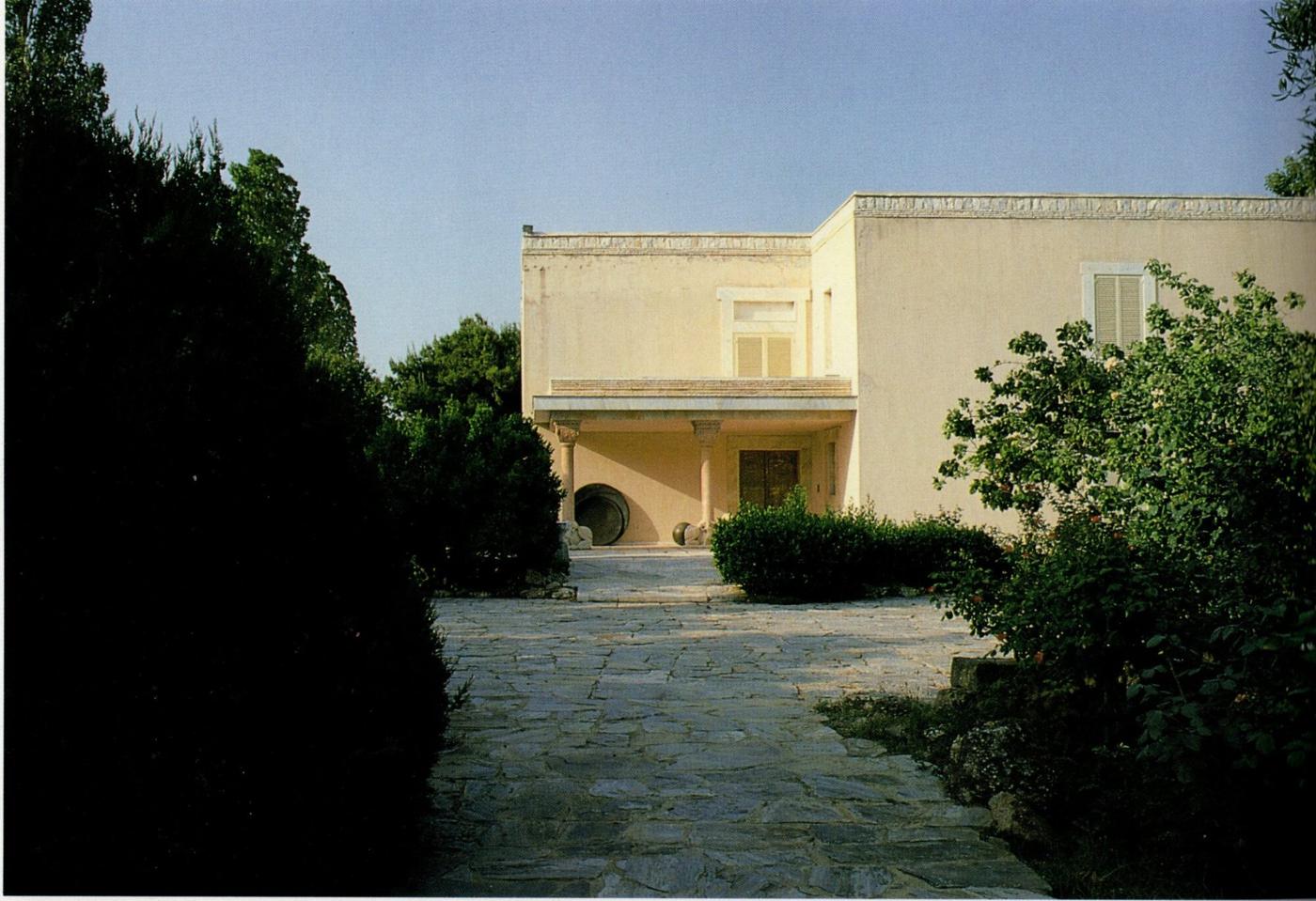
The House of Agia Paraskevi

Athens · 1951 – 1975
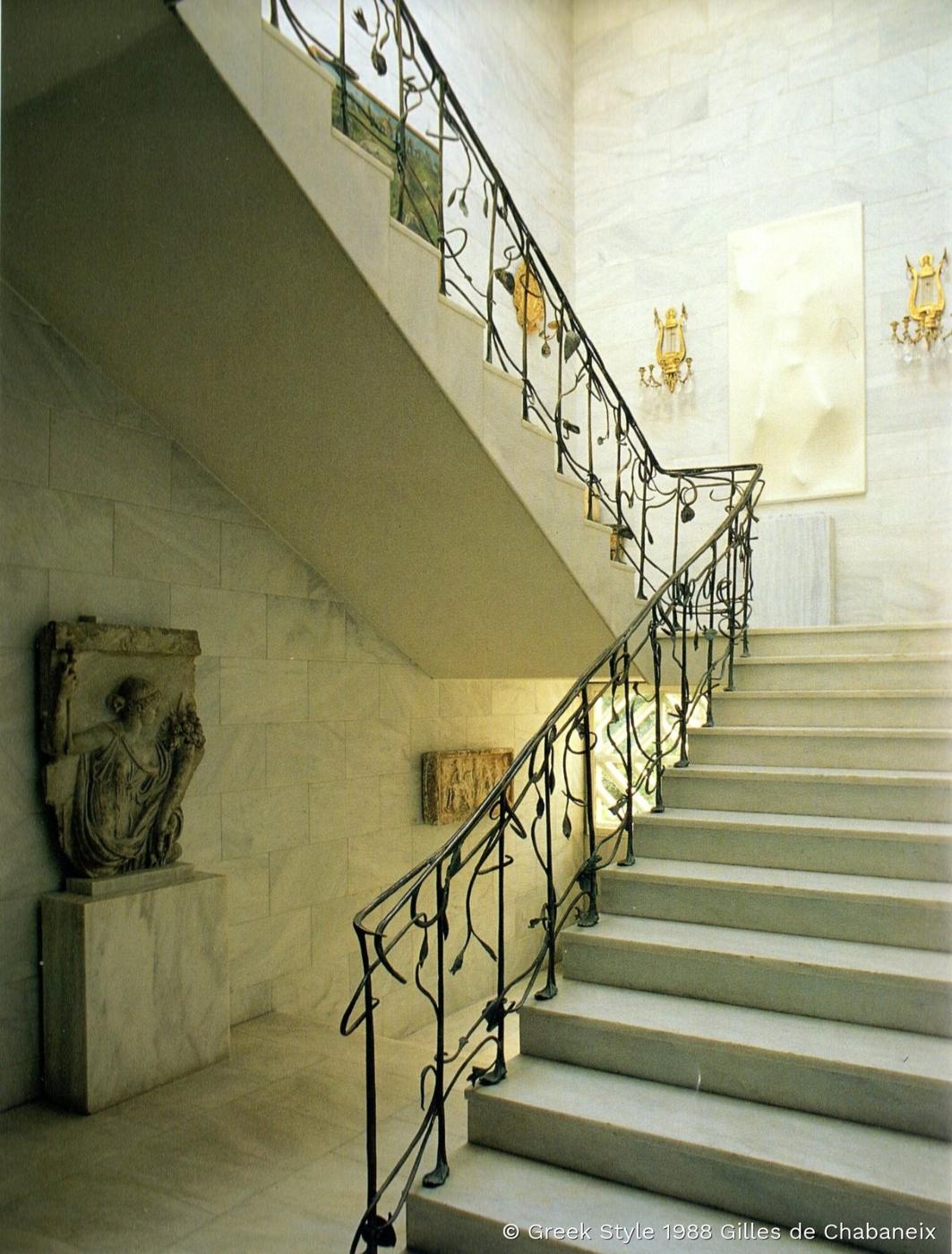
Lalanne Staircase
Iolas House after his Death — Lalanne Staircase
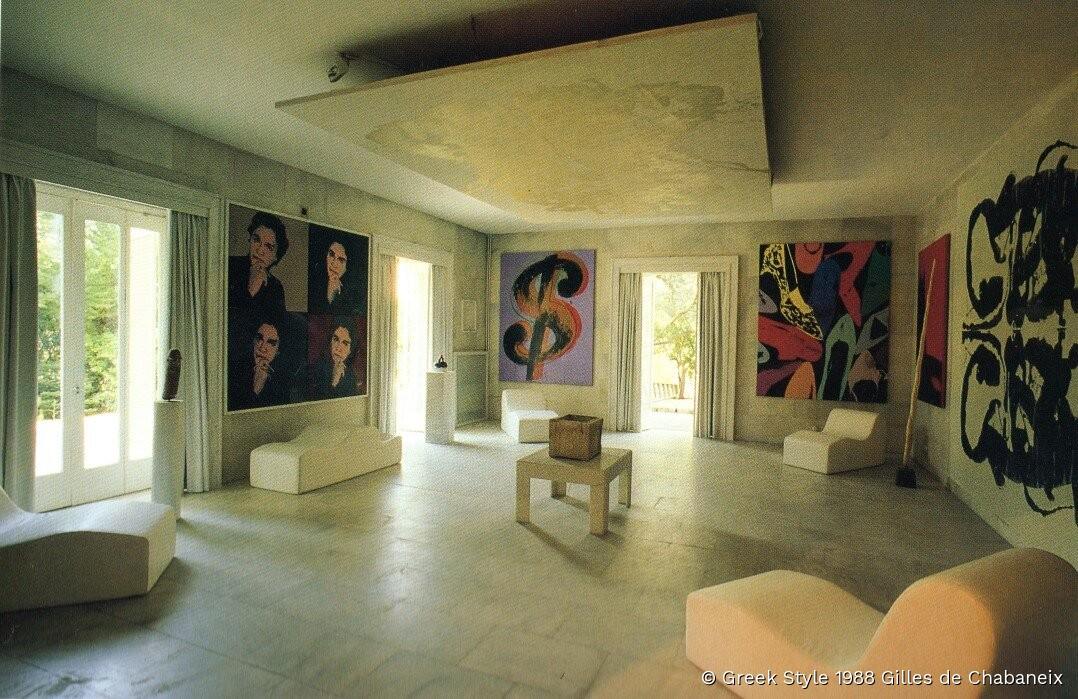
Andy Warhol room
Andy Warhol room
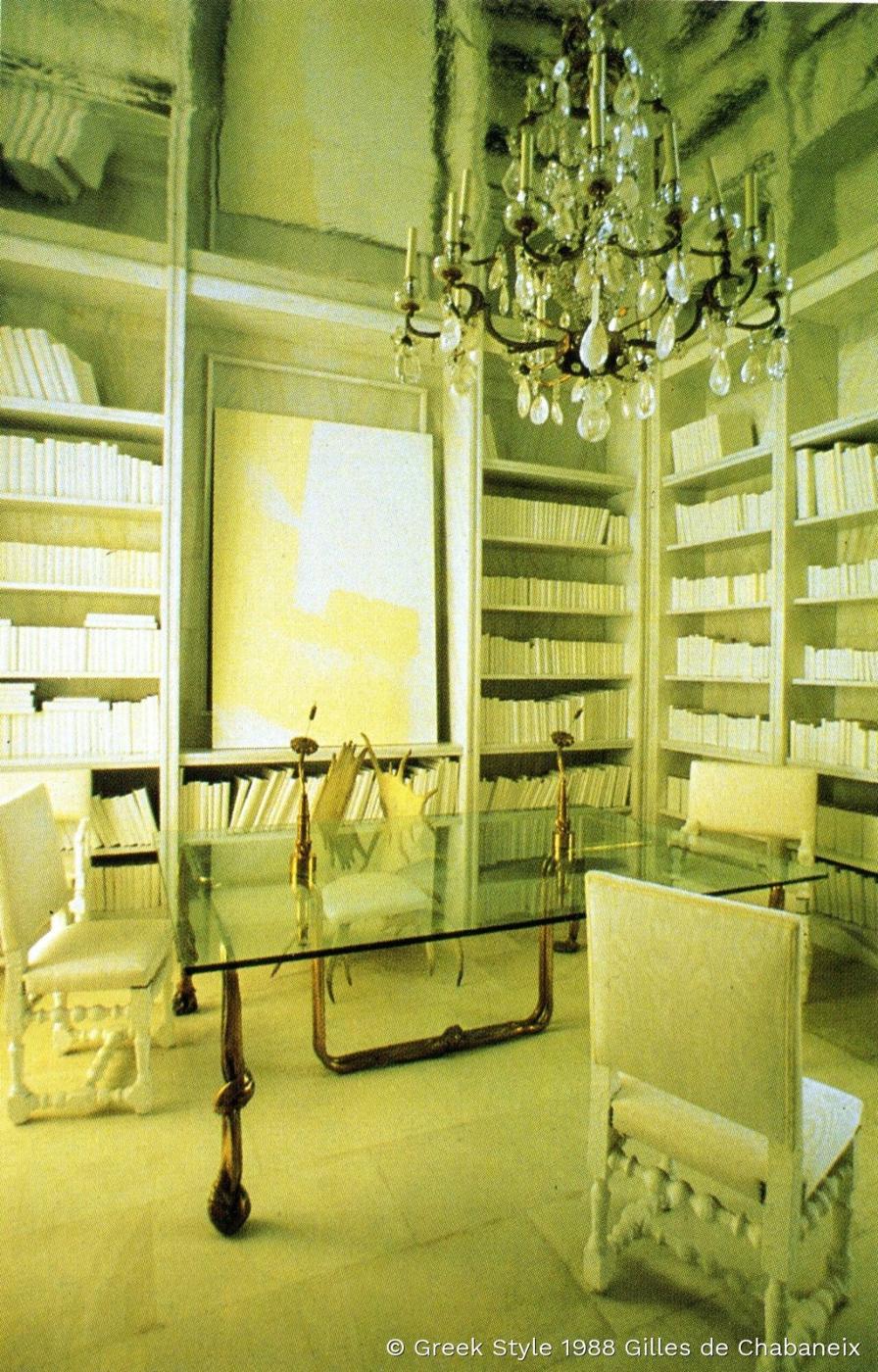
Library
Library
Alexander Iolas in the 60s© Eleni Koutsoudi - Iolas Archive

What was bronze was being transmuted to gold, like all the doors of the house, including the front door.

The Man

The Man
behind the Myth

Alexandros Iolas (1907–1987) was one of the most influential art dealers of the 20th century — patron of the Surrealists, champion of Andy Warhol, and an unflinching advocate for the artists he adored.

1907 — 1987The Life

Alexander Iolas was born in Alexandria, Egypt, as Constantinos Coutsoudis. He was the firstborn son of Andreas and Persephone Koutsoudi. Three more siblings followed, Dimitrios, Niki and Iro. They grew up in Alexandria and were the offspring of a wealthy cotton merchant family. Alexander Iolas, however, showed an inclination towards the arts from early on, so in 1928 he decided to spread his wings and move to Athens, on Konstantinos Kavafis's suggestion, with whom he had come in contact thanks to the Physical Education professor at his school, Michail Hadjidimitriou – whose literary nickname was Glafkos Alithersis – and to Nikos K. Nikolaidis, one of the most important writers of the Interwar Period. In Greece, Alexander Iolas began to associate with an important circle of artistic people, such as Kostis Palamas and his daughter Nausica, Angelos Sikelianos, who even played a role as a teacher in Iolas's life, but also Eva Palmer-Sikelianos. The wish he inherited from Sikelianos and which he followed faithfully until 1976 was “Grow Eternal”.

It was in Athens that he took his first dancing steps. In 1930 he left for Berlin, at the instigation of Dimitris Mitropoulos, where he devoted himself to Dance Studies. He studied at the school run by the Gsovsky couple, Tatjana and Victor and participated in the Salzburg Festival in 1931 and 1932. The rearrangement of his name was of his own invention. He was already appearing in theatre programmes as Jolas Coutsoudis since 1931, long before he went to America and met Theodora Roosevelt. In November of 1932, Iolas moved to Paris where he continued to study ballet, still with very important teachers, while at the same time attending some Art classes at the Sorbonne University. In Paris he met Florence Meyer, an influential name of American society. Her father, Eugene Meyer, was the one who helped him get the Green Card in 1936. It was the first step for him to be able to work legally in America.

“Grow Eternal”The wish he inherited from Angelos Sikelianos

In 1935, Alexander Iolas went to New York as a visitor. And it was there, on the 14 th of December 1935, that he signed a contract with the Ballet Productions dance troupe and made his debut at the Metropolitan Opera House, dancing in La Traviata. On the 19 th of November 1945, Alexander Iolas was sworn as American citizen, signing as Constantine Coutsoudis - the official change of his name took place later. Gradually, “Iolas” replaced his last name, as it was more euphonic, and it only had two syllables, and was, therefore, easier to pronounce. But it was mostly symbolic, since it is associated with Iolaus, an important personality of Greek mythology. Similarly, Alexander was a glorious name, closely related to his homeland. It was in 1945 that Iolas decided to give up dancing and seeked a way to transition into Art. It was rumoured that this transition was due to an injury he had sustained, but Iolas was already 37 years old at the time, and, as he had also pointed out himself, too old to continue dancing. His first contact with painting began in Paris, when he was still a dancer. In 1937 he fell in love with a painting by Giorgio de Chirico which he first saw at the Galerie des Quatre Chemins in Paris. De Chirico was a representative of the Scuola Metafisica, while he also influenced Surrealism and Dadaïsm.

Later, he collaborated with the Nouveaux Realistes (Niki de Saint Phalle, Jean Tinguely, Martial Raysse etc.), with artists of the Arte Povera (Yannis Kounellis, Pino Pascali etc.), and many others. In 1954, the gallery expanded and was renamed Alexander Iolas Inc. Alexander Iolas was one of the pioneers in the development of a “network” of art galleries across Europe, all satellites of a single central gallery. It started in Geneva (1963) and then followed galleries in Paris (1964), Milan (1966) – first located at 3 Via Rossini and later relocated to 12 Via Manzoni – Zurich, Madrid and Rome. The last three were in common partnership. At the same time, he promoted many Greek artists abroad, such as Hadjikyriakos-Ghikas, Vagis, Moralis and Tsarouchis. He also collaborated with the younger generation of Greek artists such as Tsoklis, Pavlos, Takis, Akrithakis, Fassianos, Mara Karetsou, Yannis Bouteas, Marina Karella and Kostas Paniaras.

The golden age of his career began in 1965 and ended in 1976. He published art catalogues, introducing, among others, André Breton and Pierre Restany, as well as limited edition collectable books by artists and poets (Max Ernst, Yannis Ritsos, Odysseas Elytis, etc.). He donated works to major museums such as the MOMA in New York, the Centre Georges-Pompidou in Paris (1977), the National Gallery in Athens (1971) and the Macedonian Museum of Contemporary Art in Thessaloniki (1984).

Having gained worldwide fame, he often said he would return in Greece, to contribute to the progress of it's artistic life. The fall of the Greek Junta had paved the way. Gradually he closed down all of his galleries except for one in New York, thus keeping the promise he had made to Max Ernst, to close his galleries after his friend's death. This decision of his must have been influenced by the fact that many artists of the “old guard” passed away in the 1970s, people by whom Iolas had been nurtured and for whom he had deep love and respect. In Greece he collaborated with various galleries such as Zoumboulakis-Iolas, Medusa, Vicky Drakou, Athens Art Gallery, Skoufa.

From 1985 until his death in 1987, Iolas was treated in a spiteful manner by a large section of the Greek press, who had created a vulgar image in his stead. He was even accused of antiquities trafficking, a case that never made it to court due to his death, while all other accusations melted away, since they were unfounded. While he was still alive, there was an effort from abroad to defend Iolas, at the initiative of Kostas Gavras, which was co-signed by many internationally recognised personalities, among them Tsarouchis and Hadjidakis as well as the byzantinologist and historian Eleni Glykatzi-Arveler. In 1984, he donated 47 works of contemporary art from his personal collection to the Macedonian Museum of Contemporary Art. In 1987, Alexander Iolas died in a New York hospital, defeated by AIDS.

Athens · 1951 — 1975The House of Agia Paraskevi

The house took form gradually, through successive extensions over a period of forty years. From 1951 to 1959, there were three successive extensions. The original building permit by engineer Athanasios Staikos was followed in 1956 by a permit by civil engineer Dimitris Kremmydas and in 1959, by a permit by civil engineer Emmanuel Karantinos.

The spectacular transformation of the house began in 1971 with the addition of the second floor that was gradually completed by 1975, while the decoration got a complete makeover. The latest addition to the house was with a permit by civil engineer Pavlos Mavrias. The original idea was to use the Italian office Quadrio Curzio's designs (1972). This plan never materialized. Iolas modified it when he decided to order an impressive balustrade from the Lalannes. The upper floor began taking the form of an “exhibition space” with works by Takis, Tsoklis and Lalanne. The ground floor remained a habitable house, with living rooms, a few bedrooms and auxiliary spaces, while the wardrobe was moved to the basement. Various myths circulate and are being reproduced until today about the names of the architects of the house, such as Tsarouchis or Pikionis, while, what was bronze was being transmuted to gold, like all the doors of the house, including the front door. The myth that the house was initially built as a museum has no factual basis. It's currently in the hands of the Municipality of Agia Paraskevi.

A.I.C.Alexander Iolas Collection

~1,200Works of art & antiquities
854Antiquities at his death
195Works of modern art
0Stolen items located to date

The Alexander Iolas Collection consisted of about 1,200 works of art and antiquities. Iolas was a recognized antiquities collector since 1966, following a decision of the Central Archaeological Council, as recommended by the Archaeological and Private Collections Service. At the time of his death, the A.I Collection of Antiquities consisted of 854 artifacts. It undoubtedly was a remarkable collection, that included many important pieces. Greek and Roman antiquities were standing adjacent to Byzantine icons. Additionally, there were 195 works of modern art, 30 pieces of furniture, and 82 decorative pieces, which included works by – among others – Andy Warhol, Pablo Picasso, Max Ernst, Niki de Saint Phalle, Lalanne, Roberto Matta, René Magritte and Victor Brauner. Of course, Greek artists' works were not lacking in his collection, such as Takis (Panagiotis Vassilakis), Kostas Tsoklis, Marina Karella, Kostas Paniaras, and others. After his death, there were seven or eight burglaries at the house of Agia Paraskevi. The most significant one was in March of 1989, when 628 antiquities were stolen. Following this incident, the 149 remaining antiquities were transferred to various museums in Greece for safekeeping. In the years that followed, apart from the antiquities, 50 works of modern art were also stolen, while some Egyptian objects and many catalogues were incinerated during an arson. To date, none of the stolen items have been located.

ArtistsExhibitions
The Circle

Artists

Exceptional artists from all over the world who collaborated with Alexandros Iolas. Most of them were close friends.

ArchiveExhibitions · Museums

Archive
1945 – 1987

1945 – 1987

Gallery Locations

Galleries & Exhibitions

Exhibitions Timeline

All attempts have been made to compile a complete list of exhibitions staged by Alexander Iolas throughout his career.

MediaPhotos

Photos

Family, friends, galleries and the house — from the Eleni Koutsoudi – Iolas Archive.

MediaVideos

Videos

Videos of and about Alexander Iolas.

MediaPublications

Publications

Books and catalogues on Alexander Iolas, his galleries and his house.

MediaPress & Reviews

Press &
Reviews

Selected reviews, articles and press coverage.

MediaBlog

Blog

Notes and recollections from the archive.

Iolas with Mara Karetsou
Blog

Iolas, best man to Mara Karetsou

I would like to thank Mara Karetsou for reminding me that Iolas was her best man in her marriage to Keith Green in New York in 1983. In the spirit of the humor that always disting…

Read the post
MediaBlog

Iolas, best man to Mara Karetsou

April 10, 2023

"I would like to thank Mara Karetsou for reminding me that Iolas was her best man in her marriage to Keith Green in New York in 1983. In the spirit of the humor that always distinguished him, he called her The Contessa from Larisa!" — Eleni Koutsoudi Iola

Mara Karetsos archive photo
© Mara Karetsos archives

"I tear when I recall the wonderful days we had together. No problems, no stress….. He knew what strength each person had, and how far he could reach." — Mara Karetsou

Iolas as best man at Mara Karetsou's marriage to Keith GreenIolas as best man at Mara Karetsou's marriage to Keith Green
Iolas as Best Man in Mara Karetsou's marriage to Keith Green · © Mara Karetsos archives
Mrs. Perroti with Iolas and Keith Green
Mrs. Perroti, the great Greek collector, at Mara Karetsou's marriage, with Iolas and Keith Green · © Mara Karetsos archives

Iolas always believed in Keith Green, and encouraged him to leave Hammer Galleries and open his own gallery, with the support of his wife, Mara Karetsou. Regrettably, he passed away suddenly 7 years after the marriage, at the age of 45, of a heart attack.

"Θα ήθελα να ευχαριστήσω την Μάρα Καρέτσου που μου υπενθύμισε ότι ο Ιόλας την πάντρεψε με τον Keith Green στην Νέα Υόρκη-1983. Στο πνεύμα του χιούμορ που πάντα τον διέκρινε αποκαλούσε την Μάρα H contessa from Larisa!" — Ελένη - Κουτσούδη Ιόλα

Φωτογραφία από το αρχείο της Μάρας Καρέτσου
© Mara Karetsos archives

"Δακρύζω όταν θυμάμαι τι excellent μέρες περάσαμε. Ούτε προβλήματα, Ούτε άγχος... Ήξερε τι Δύναμη είχε ο κάθε άνθρωπος και που μπορούσε να φθάσει." — Mara Karetsos

Ο Ιόλας κουμπάρος στον γάμο της Mara Karetsos με τον Keith GreenΟ Ιόλας κουμπάρος στον γάμο της Mara Karetsos με τον Keith Green
Ο Ιόλας Κουμπάρος στον γάμο της Mara Karetsos με τον Keith Green · © Mara Karetsos archives
Η κυρία Περρωτή με τον Ιόλα και τον Keith Green
Η κυρία Περρωτή μεγάλη Ελληνίδα συλλέκτρια, στον γάμο της Mara Karetsos συντροφιά με τον Ιόλα και τον Keith Green. · © Mara Karetsos archives

Ο Ιόλας πίστευε στις ικανότητες του Keith Green και τον ενεθάρρυνε να φύγει από την HAMMER GALLERIES και να ανοίξει δική του γκαλερί πάντα με την υποστήριξη της συζύγου του Μάρα Κρέτσου. Δυστυχώς έφυγε από την ζωή μετά από 7 χρόνια γάμου, σε ηλικία 45 ετών από ανακοπή.

Back to the blog
MediaPress & Reviews

Alexander the GreatΟ Μέγας Αλέξανδρος

December 16, 202216 Δεκεμβρίου 2022

Alexander the Great, by Natasha Fraser-Cavassoni

Alexander Iolas dancing on the Acropolis, Athens 1930s
Article media
Article media
Article media
Article media
Article media
Article media
Article media

PARIS — Once upon a time, there was an art-world legend named Alexander Iolas. Born in Alexandria, Egypt, the art dealer's passion was great, daring, and rooted in poetry. Driving through moonlit Athens, he believed he was in Ancient Greece. "I can see the gods, I can see the gods," he would exclaim in rapture. You can still see Iolas even 35 years after his death, in June 1987. He is there in Netflix's The Andy Warhol Diaries; his work is documented in a biography by his niece, Eleni Koutsoudi-Iola; and he was the haunting presence behind the auction of the André Mourgues Collection — Alexander Iolas and His Artists at Sotheby's in Paris in March 2022.

Walking into Sotheby's sale rooms becomes otherworldly. It is the power of Iolas's choices and the tender thoughtfulness accompanying each piece — whether Max Ernst's bronze La Plus Belle, Victor Brauner's Compensation Symbolique, Magritte's Le Viol, or a spectacular Egyptian antiquity, a granite lion's head. Iolas's eye and his energy are omnipresent; it is almost as if he is there, guiding you around. According to Mourgues, Iolas's lifelong companion from 1962 onward, that was what mattered most. "The artists were his family, and the gallery was his home," says the Parisian.

Since Iolas was the great champion of the avant-garde in the twentieth century, the inspired list of aforementioned surrealists sits alongside works by William Copley, Alekos Fassianos, Lucio Fontana, Robert Matta, Niki de Saint Phalle, Martial Raysse, Ed Ruscha, Andy Warhol and, of course, the current trend: Claude and François-Xavier Lalanne. Everything, however, exudes a sense of harmony and completeness, creating an atmosphere of friendly gathering. Although the Mourgues Collection soared at auction — for more than nine million euros — it is almost a shame that it was broken up rather than acquired by a museum or a visionary collector, some present-day equivalent of Dominique and Jean de Menil. Vital clients for Iolas, the de Menils were the enlightened founders of the Houston-based Menil Collection, which also includes the Rothko Chapel.

I first heard about Iolas from the de Menils' protégé, Fred Hughes. We were in New York, at the Andy Warhol Studio. It was March 1987, Andy had just died, and Fred, the pop artist's business manager, kept referring to his Iolas. Fred was organising a memorial and planned to use images from The Last Supper, Warhol's final show, commissioned by Iolas. I can still see Fred with his glossy black hair and his eloquent hands, which would grow stiff and snap sharply when something annoyed him. Always slim, always elegant, always thirties in one of his charcoal-black suits, Fred was the opposite of Iolas. True, both dyed their hair, but Iolas — with his auburn bouffant, colourful furs, oversized sunglasses, high heels and lavish jewellery — believed in being noticed. "He was the Greek Liberace," echoes photographer Christopher Makos. "When we met, he was dressed all in white and I was enchanted," says the Greek artist Marina Karella. "I thought, who is this incredible creature and from what planet does he come?"

Like a slightly wayward medieval prince, the adorned Iolas would arrive at New York art openings, cutting through crowds unhindered, throwing air kisses, and greeting people with his ring-covered hands drawing tiny circles, until he came upon one of his prized collectors or artists; then he would open his arms and cry out, "My love! How happy I am to see you." At Warhol's Factory, Iolas acquired two nicknames: Alexander the Great, and Alexander the Greek. "It was a revelation," says the writer Bob Colacello, former editor of Warhol's Interview magazine. "Imagine satin suits in vivid colours and matching platform heels, and a long, thick-pelted fur — either monkey or kangaroo — draped over his shoulders like a cape." Warhol and Iolas were close. Describing them as two of a kind, sharing "a heightened sensibility, an awareness and delight in the absurdity of existence," Colacello remembers that "they loved to gossip and talk about sex at the most inappropriate moments, to tease and torment those closest to them, to live lavishly, mingle with the crème de la crème, and surround themselves with movie stars, tycoons and drag queens."

When he invited Christiana Brandolini d'Adda to see Rudolf Nureyev dance, Iolas turned up in a floor-length mink. "People dressed elegantly and simply back then," she explains. "And every time Nureyev leapt, Iolas shrieked with pleasure. Beyond that, he was delightful — so cultured, with wonderful manners." The art collector Jane Holzer enjoyed him just as much. "I was in love with someone, and Iolas's advice was, 'Daaarling, you must simply faint, you must simply faint,'" she says, laughing. "I absolutely adored him — the way he covered his boots with the fabric of his suits! — Iolas was the perfect package." But like many "perfect packages," he was rather vain. This became clear when he was presented with the portraits Andy Warhol had made of him in 1974: "Iolas said, 'How horrible, take them away at once, they are dreadful,'" recalls André Mourgues.

"He was convinced he looked far too old, he really had a fit. And he was not an unpredictable man."

According to Vincent Fremont, back at Warhol's Factory, Iolas rushed off to the hairdresser, arranged his lush mane, then posed for Polaroids for Warhol's second attempt. "The fact that Andy agreed to do it shows the depth of their friendship," says Fremont. "Remember, Iolas and Andy have a history. He supported Andy from the show Fifteen Drawings Based on the Writings of Truman Capote at the Hugo Gallery in 1952."

Iolas was one of those mythical figures who slightly blurred the truth. He claimed to have been born in 1907 as Constantinos Coutsoudis. André Mourgues, however, places his birth date five years earlier, in 1902. What is certain is that Iolas was born short, sparkling, and determined to dance. He changed his name early, christening himself Iolas after Alexander the Great's cupbearer, son of the warrior and regent Antipater. The fact that Antipater means "like" or "against the father" says a lot about young Constantinos's relationship with his own father. "Having a gay son was a disaster for my grandfather," says Eleni Koutsoudi-Iola. "He was a successful cotton merchant, and it drove him wild when Iolas made clothes for dolls — he would literally throw him out of the house." "His father would send him to collect the rent in Upper Egypt," says Katie Aga Khan (also known as Princess Sadruddin Aga Khan). "At that time, there was no cash, there were gold sovereigns. And Iolas would come home alone by train, stiff with fear that someone would rob him. But no one did. No one could believe that such a small boy — twelve-year-old Iolas looked five — could ever be carrying such sums." The precocious little boy was more amused, though, by his eccentric grandmother, who paid him and his siblings to stroke the canaries so they would sing during her siesta. "But if [the children] were naughty, she would stick their fingers into the electric sockets," Mourgues remembers. Fortunately, Iolas's uncle was more understanding, secretly giving money to his creative nephew, which allowed him to leave for Weimar Berlin — then the golden metropolis of opportunities and artistic and sexual experimentation. There, the beautiful, curly-haired Iolas was discovered by the Austrian choreographer Margaret Wallmann, who gave him a role in Gluck's Orfeo ed Euridice in Salzburg. "Although I was not hailed as a marvel, I received good enough reviews to encourage me to continue," he told Peter Dragadze of Town & Country magazine in May 1984. According to Mourgues, Iolas appeared "almost completely naked and painted gold." Some malicious tongues have hinted that Iolas's romantic adventures led to myriad different roles all over Europe.

While dancing in Paris, Iolas discovered his passion for art. The first and most lasting influence on him was Giorgio de Chirico's painting Les Mannequins in the Galerie Raul Levin, on Rue Marignan. "I fell in love with that painting, and after pacing up and down in front of the window for about an hour a day, every day, for a month, I went in and bought it," he told Dragadze. It cost 20,000 francs, and Iolas arranged to pay 100 francs in weekly instalments. After posing for de Chirico — in exchange for a drawing or small painting — Iolas became friends with Max Ernst, René Magritte, Fernand Léger and Jean Cocteau, and soon acquired about forty works. "I was officially a small collector in the mid-1930s," he told Town & Country.

As a member of the Marquis de Cuevas's ballet company, Iolas toured America and Brazil. There are photographs of him partnered with Theodora Roosevelt, granddaughter of the American President. For several years they were popular thanks to their pas de deux — "even though Roosevelt was a foot taller than Iolas when she rose on pointe!" says Mourgues. Iolas remembered dancing at another stage of his ballet career "with a marvellous soloist named Florence Meyer," whose sister, Katherine, eventually became the famous Katherine Graham, publisher of The Washington Post. Because Iolas did not speak English, he was told to answer "yes" to everything on the American immigration forms. "So, of course: yes, my father was in prison and wanted to kill the President; yes, my mother was a prostitute; yes, I had syphilis and I really hated New York," he said. And yes, they sent Iolas to Ellis Island while Florence Meyer waited for him on the shore in an old Rolls-Royce. Ten years later, a woman named Donna Maria Ruspoli Victor-Hugo would change his life. A bohemian figure with New York connections, she was born an Italian princess, married a much older French Duke, and had a string of exciting lovers, including the sinister Gabriele D'Annunzio, before marrying the great-grandson of the giant of French literature, Victor Hugo. Together with Robert Rothschild and Elizabeth Arden, Donna Maria had just opened the Hugo Gallery at the corner of East 55th Street and Madison Avenue, and offered Iolas the directorship. He began curating interesting exhibitions featuring works by Léger and Magritte, and there he met the de Menils. "Dominique and Jean would acquire more than 450 important works of art through Iolas," says William Middleton, author of Double Vision: The Unerring Eye of Art World Avatars Dominique and John de Menil. Indeed, Iolas sold them their first Picasso in 1950, as well as Magritte's Le Monde Invisible and Yves Klein's People Begin to Fly. The polymath Father Marie-Alain Couturier, the de Menils' other European art adviser, clearly disapproved of Iolas. But he had piqued Dominique de Menil's interest.

"He had no artistic training, which, in a way, is better. It was purely the eye he had," she later wrote perceptively.

When he opened the Iolas-Jackson Gallery in 1955 with Brooks Jackson (a former dancer whom some have described as the love of his life), Iolas reached the top. Many memorable parties were thrown by Adriana, Brooks's aristocratic wife, known for her heavy Italian accent and for wearing her pet ocelot around her neck. "Adriana described Iolas as a hybrid of Machiavelli and Pagliaccio — half diplomat, half clown, a monster," says Bob Colacello. "Indeed, her favourite nickname for him was 'monstro.'"

Artists valued Iolas as a prophet as well as a supplier of their self-confidence. "After meeting with him, you felt like Rothko," remembers Marina Karella. "Looking around the studio, he would either say, 'It is so beautiful, so erotic,' or 'Hide it, I don't want to see it again.'" For Karella, his ideas were extreme, but always attainable and interesting. "Let it be noted in the record that Iolas was very inventive, free, but never ridiculous," she says. "He was very precise." Once, Karella wanted to name a show Le Chemin de la Mort (The Path of Death). "I was young and very romantic," she says. "And Iolas said: 'Are you crazy? Certainly not! Get rid of that word at once.'" Through him, Karella met all the surrealist artists. "Iolas brought Max Ernst and his wife, Dorothea Tanning, to Greece," she says. "Very oriental, he made sure everyone met everyone." On another occasion, Iolas suddenly called Karella to announce his imminent arrival with Niki de Saint Phalle. "I said, 'It's impossible for me to meet you. We're moving to Paris.' And Iolas whispered threateningly:"

"'Marina, you can't be like this. What the hell are you doing?'"

He could brawl with his artists. "Once he had a knock-down fight with Niki de Saint Phalle," says Karella. "They kicked each other on the floor until Bénédicte de Peslé [Iolas's secretary] stepped between them." But Iolas cared about the composition of his roster of talents. When Max Ernst moved to Paris, Iolas mobilised to open his gallery on Boulevard Saint-Germain. "Iolas always said: 'I'm opening the gallery for Max and I'll close it when he dies.' And he did," says Mourgues. There was also Iolas's protective attitude toward the ailing Victor Brauner. "I want to take on all of Victor's difficulties and help in every possible way," he wrote to the artist and his wife, Jacqueline Brauner. "Because I think it's madness for a man as brilliant as Victor to be in difficulty."

Among his circle of collectors — and though in his heyday he sold to the Rockefellers, the Rothschilds and President Georges Pompidou — Iolas was particularly impressed by Giovanni Agnelli, the Fiat automotive magnate. "Agnelli would come and say, 'I have ten minutes and I'll take that, that and that,'" says Eleni Koutsoudi-Iola. "In my uncle's mind, Agnelli was a real collector because he was fast and never asked for prices." And yet, when Claude Lalanne was about to meet Agnelli, Iolas insisted she arrive late, to underline her importance as an artist. For Colacello, Iolas was not far from Salvador Dalí. "Armed with a huge ego, he saw himself as another Diaghilev, as the miracle worker behind each one of them," he says. "At one point he had galleries in every major city, even in Mexico City." Iolas lived to extremes and was always on a plane, moving restlessly between circles of the international elite. In this he resembled Sam Spiegel, the subject of my first biography (2003), the Hollywood producer behind Oscar-winning classics like On the Waterfront and Lawrence of Arabia. Like Spiegel, Iolas had the nerve of a blind burglar and was ready to do anything. This became obvious when he visited Pablo Picasso with a briefcase full of cash. The notoriously money-loving artist had already warned that he would sell him nothing. But Iolas, pretending to search for his lighter, briefly let the cash show, and Picasso agreed to sell. "Then he insisted on counting every single banknote," says Mourgues. "It took hours." Like Spiegel, Iolas was also cunning with money. "We would agree on 20,000 dollars," says Karella, "and 18,000 would arrive here." Vincent Fremont had to take notes when negotiating with Iolas. "He always paid deposits and it was very complicated," he admits. "Then I would go to Fred [Hughes] and say, 'What did Iolas tell you?' You had to stay alert. It was like juggling plates — one falls and you don't see it because it slips through the cracks." Colacello senses this appropriation of money came from a need for control. "He liked to play games; Iolas wanted to confuse everyone," he says. This manipulative behaviour about money was strange because Iolas was known for his generosity. "When I was a young and unknown interior designer, he gave me the Lalanne Cocodoll bed," reveals Jacques Grange. "He also gave instructions to Pauline Karpidas — one of his new and important clients — to wear only Yves Saint Laurent and live only in Jacques Grange interiors." An incredible work by Max Ernst was given to Katie Aga Khan while she was working for Iolas in Geneva. "It is the best from his Époque des forêts period," she says. Unlike Spiegel and other notable men, Iolas behaved incredibly well toward his immediate family. "They took advantage of him on many levels," declares Mourgues.

"Being Greeks from Alexandria, they lost everything when Nasser nationalised Egypt [in 1952], and both Iolas and his sister, Niki Stifel — who had married a wealthy American — paid for them all."

Curiously, Iolas was a strict uncle. "He wanted me to have an excellent education, and he was always testing me," says Eleni Koutsoudi-Iola. "I mentioned the Greek Revolution and Iolas knew all the names. His memory was outstanding." Her aunt, Niki, was different. "How can I best describe her?" she says. "Niki gave a dress to Claude Lalanne and then went through her wardrobe and took it back."

The whole family gathered at Villa Iolas during the summer months. Built in Agia Paraskevi, a middle-class suburb of Athens, the white marble mansion was a temple for Iolas's artists. There was a room dedicated to Warhol. The Lalannes had made the staircase's railings. Marina Karella's bronze furniture had a place of honour in the corridor, and one of Saint Phalle's Nanas was placed on the lawn. Once he gave Christiana Brandolini a tour. "At the end, Iolas said, 'You have to come and see the best thing I own,' and opened a wardrobe that had about 120 furs," she says. "Then he put one on. It was August." Katie Aga Khan remembers some ancient chairs he preserved under transparency.

"I said, 'Iolas, what's this?' And he replied, 'Don't sit on them, they're valuable.'"

"I had no intention, they were awful, but Iolas thought they were wonderful." Giancarlo Giammetti, Valentino's partner, flew to Athens to buy Fassianos works. "And again I adore him," he says, "but Mr. Iolas asked me to trade the value of the painting for clothes for his boys!" And this had begun to become an issue. The brilliant art dealer let his private life leak into his professional one. "Despite his exceptional achievements, my uncle couldn't be alone," says Eleni Koutsoudi-Iola. "And though he said, 'I'm not afraid to die,' of course he was." After Iolas closed most of his galleries and withdrew to Greece in 1983, the situation worsened. "Iolas was unrestrained," says Christopher Makos, who first met him with Warhol. "But there are many young men who like to have a 'father figure.' When they all know what the trade-off is, they learn things." Nevertheless, Iolas's intimates blame a young man named Adonis Nikoli, known for impersonations of Maria Callas. "Nikoli was so malicious," says Iolas's niece. "My uncle met him through one of his artists, Yannis Tsarouchis, and took him in when Yannis threw him out. He had caught Nikoli stealing. But he was very gifted at building wardrobes and making flower arrangements. Then Nikoli began stealing from Iolas. He started with slippers and moved on to serious pieces." Unfortunately, when Iolas threw him out, Nikoli gathered various Greek journalists and accused the art dealer of antiquities smuggling and paedophilia — telling a heap of lies. "They dragged Iolas's name through the mud in the Greek press," says Koutsoudi-Iola. "That's why I wrote my book, My Uncle Alexander Iolas: The Man Behind the Myth (2021). I wanted everyone to know the real story." Warhol also came to his defence. "He got into trouble and Andy signed a character letter," says Fremont. Rumours began to circulate that Iolas had HIV, but Mourgues disputes them, as does Fremont. "He had triple bypass surgery in New York," says Fremont. "A few days later, he was up and about. He had enormous energy for such an old person."

Bob Colacello visited Villa Iolas together with the art dealer Thomas Ammann in 1986, the summer before Iolas's death. "Guarded by a pair of Byzantine lions, it was the only palace on the block," says the writer. "We found Iolas lying on his deathbed, a gilded neo-Egyptian chaise longue. He wasn't really dying, he was just playacting, like Greta Garbo, to torment Brooks [Jackson] and André Mourgues, who had long been suffering. Both had been nursing him for weeks, waiting for him to decide who would get which Picasso." Meanwhile, a local transvestite contributed to the drama by dancing with veils around the patient's bed. "Dear Robertino," Iolas said breathlessly, "how kind of you to come all this way to see a dying man."

Alexander the Great mustered his strength for Warhol's last show, with drawings and paintings based on Leonardo da Vinci's Last Supper, at Milan's Palazzo. "It was very sweet of Iolas to come out of the hospital to meet me at the airport," Warhol writes in his memoirs. Christopher Makos described Iolas appearing "with the biggest scarf I have ever seen." "Iolas was grand and uncompromising," says Makos — even if Warhol thought the scarf made him look like a little old lady.

After Warhol's death, Iolas went to New York for treatment. "I went to see him in the hospital. He was very thin," says Marina Karella. "When I returned, no one was allowed to see him." Niki Stifel brought Iolas on one last trip to Greece. Their niece had to ask for a court order to see him. "He was in a terrible state, always making strange movements — almost like nervous spasms," says Eleni Koutsoudi-Iola. "I think it was a symptom of AIDS."

Nevertheless, when Iolas finally died on 8 June 1987, the American Hospital certificate stated the cause of death was sepsis. "He was old and had problems," says Mourgues. And in John Russell's obituary in The New York Times, only his sister, Niki, and her daughters are mentioned; and not at all Eleni Koutsoudi-Iola, his beloved niece, who concludes, "What a sad woman my aunt was. Nothing was ever enough."

The final tragedy was the looting of Villa Iolas. Initially there were plans to turn it into an art institute and give it to the Greek state. Instead, it was recklessly vandalised. All the walls were sprayed with paint and Iolas's incredible catalogues were brutally burned by local drug addicts as if in a funeral pyre. "It was a shocking massacre," says Koutsoudi-Iola. "I never wanted to return." But, as Iolas once said, "There is enough movement and madness in life that I don't understand why anyone would look to the past." Even so, we can easily imagine Iolas's eye continuing on in famous collections. "He was a guiding light and the most singular person," says Vincent Fremont. "There are many influential art dealers, but it is hard to find one so dazzling."

Αλέξανδρος ο Μέγας της Natasha Fraser-Cavassoni

Alexander Iolas dancing on the Acropolis, Athens 1930s
Article media
Article media
Article media
Article media
Article media
Article media
Article media

ΠΑΡΙΣΙ Μια φορά κι έναν καιρό, υπήρχε ένας θρύλος της τέχνης που λεγόταν Αλέξανδρος Ιόλας. Γεννημένος στην Αλεξάνδρεια της Αιγύπτου, το πάθος του εμπόρου τέχνης ήταν μεγάλο, τολμηρό, με ποιητικές καταβολές. Όταν οδηγούσε στη φεγγαρόλουστη Αθήνα, πίστευε ότι βρισκόταν στην Αρχαία Ελλάδα. "Μπορώ να δω τους θεούς, μπορώ να δω τους θεούς", έλεγε με ενθουσιασμό. Μπορείς να δεις τον Ιόλα ακόμα και 35 χρόνια μετά το θάνατό του, τον Ιούνιο του 1987. Είναι εκεί στο The Andy Warhol Diaries του Netflix, το έργο του τεκμηριώνεται σε βιογραφία από την ανιψιά του, Ελένη Κουτσούδη-Ιόλα, εκείνος ήταν η στοιχειωμένη παρουσία πίσω από τη δημοπρασία της Συλλογής André Mourgues – Ο Αλέξανδρος Ιόλας και οι καλλιτέχνες του στο Sotheby’s τον Μάρτιο του 2022, στο Παρίσι.

Η είσοδος στα δωμάτια πώλησης του Sotheby’s γίνεται απόκοσμη. Πρόκειται για τη δύναμη των επιλογών του Ιόλα και την τρυφερή στοχαστικότητα που συνοδεύει κάθε κομμάτι, είτε πρόκειται για το χάλκινο γλυπτό του Max Ernst La Plus Belle, για την Compensation Symbolique του Victor Brauner, για το Le Viol του Magritte, είτε για μια θεαματική Αιγυπτιακή αρχαιότητα, μια λεοντοκεφαλή από γρανίτη. Το μάτι του Ιόλα και η ενέργειά του είναι πανταχού παρόντα· είναι σχεδόν σαν να είναι εκεί, να σε ξεναγεί. Σύμφωνα με τον Mourgues, τον μόνιμο σύντροφο του Ιόλα από το 1962, αυτό ήταν το σημαντικότερο. «Οι καλλιτέχνες ήταν η οικογένειά του, και η γκαλερί το σπίτι του», λέει ο Παριζιάνος.

Δεδομένου ότι ο Ιόλας ήταν ο μεγάλος πρωταθλητής της avant-garde τον εικοστό αιώνα, στην εμπνευσμένη λίστα των προαναφερθέντων σουρεαλιστών καλλιτεχνών συνυπάρχουν έργα των William Copley, Αλέκου Φασιανού, Lucio Fontana, Robert Matta, Niki de Saint Phalle, Martial Raysse, Ed Ruscha, Andy Warhol και, φυσικά, η τρέχουσα τάση: Claude και François-Xavier Lalanne. Παρόλα αυτά, τα πάντα αποπνέουν μια αίσθηση αρμονίας και ολοκλήρωσης, δημιουργώντας ένα περιβάλλον φιλικής συνάθροισης. Αν και η Συλλογή Mourgues εκτοξεύτηκε στη δημοπρασία – για περισσότερα από εννέα εκατομμύρια ευρώ – είναι σχεδόν κρίμα που διαχωρίστηκε αντί να αποκτηθεί από κάποιο μουσείο ή καινοτόμο συλλέκτη, κάποιον σημερινό αντίστοιχο των Dominique και Jean de Menil. Πελάτες ζωτικής σημασίας για τον Ιόλα, ήταν οι πεφωτισμένοι ιδρυτές της συλλογής de Menil, ενός καταφυγίου με έδρα το Χιούστον που περιλαμβάνει και το Rothco Chapel. Άκουσα πρώτη φορά για τον Ιόλα από τον προστατευόμενο των de Menil, τον Fred Hughes. Ήμασταν στη Νέα Υόρκη, στο Andy Warhol Studio. Ήταν Μάρτιος του 1987, ο Andy είχε μόλις πεθάνει, και ο Fred, επιχειρηματικός διευθυντής του ποπ καλλιτέχνη, αναφερόταν συνέχεια στον Ιόλα του. Ο Fred οργάνωνε εκδήλωση στη μνήμη του και σχεδίαζε να χρησιμοποιήσει εικόνες από τον Μυστικό Δείπνο, την τελευταία έκθεση του Warhol, κατά παραγγελία Ιόλα. Μπορώ ακόμα να δω τον Fred με τα γυαλιστερά μαύρα μαλλιά του και τα ευφραδή χέρια του, που γίνονταν δύσκαμπτα και κινούνταν απότομα όταν κάτι τον ενοχλούσε. Πάντα λεπτός, πάντα κομψός, πάντα δεκαετία του ’30, με ένα από τα ανθρακί-μαύρα κοστούμια του, ο Fred ήταν η αντίθεση του Ιόλα. Όντως, και οι δύο έβαφαν τα μαλλιά τους, αλλά ο Ιόλας, με το καστανοκόκκινο φουσκωτό του χτένισμα, τις πολύχρωμες γούνες, τα τεράστια γυαλιά ηλίου, τα ψηλά τακούνια και τα πολυτελή κοσμήματα, πίστευε στην αξία τού να σε προσέχουν. «Ήταν ο Έλληνας Liberace», αντηχούν τα λόγια του φωτογράφου Χριστόφορου Μάκου. «Όταν γνωριστήκαμε, ήταν ντυμένος ολόλευκακαι είχα γοητευτεί», λέει η Ελληνίδα καλλιτέχνις Μαρίνα Καρέλλα. «Σκέφτηκα, ποιο είναι αυτό το απίστευτο πλάσμα και από ποιον πλανήτη έρχεται;» Σαν ελαφρώς διεστραμμένος μεσαιωνικός πρίγκιπας, ο κεκοσμημένος Ιόλας ερχόταν σε εγκαίνια τέχνης στη Νέα Υόρκη, διασχίζοντας ανεμπόδιστα τα πλήθη, δίνοντας φιλιά στον αέρα, και χαιρετώντας με τα γεμάτα δαχτυλίδια χέρια του να διαγράφουν μικρούς κύκλους, μέχρι που συναντούσε κάποιον από τους βραβευμένους συλλέκτες ή καλλιτέχνες του· τότε άνοιγε τα χέρια του και αναφωνούσε «Αγάπη μου! Πόσο χαίρομαι που σε βλέπω.» Στο Factory του Warhol, ο Ιόλας απέκτησε δύο προσωνύμια: Αλέξανδρος ο Μέγας, και Αλέξανδρος ο Έλληνας. «Ήταν μια επανάσταση», λέει ο συγγραφέας Bob Colacello, πρώην συντάκτης του περιοδικού του Warhol, Interview. «Φανταστείτε σατέν κοστούμια σε έντονα χρώματα και ασορτί παπούτσια με στοιβαγμένο τακούνι, και μια μακριά γούνα με παχύ τρίχωμα – είτε μαϊμού είτε καγκουρό – τοποθετημένη πάνω στους ώμους του σαν κάπα.» Ο Warhol και ο Ιόλας ήταν κοντά. Περιγράφοντάς τους ως δύο εκ του ιδίου είδους που μοιράζονταν «μια ευαισθησία υψηλού επιπέδου, επίγνωση και ευχαρίστηση προς τον παραλογισμό της ύπαρξης», ο Colacello θυμάται ότι «τους άρεσε να κουτσομπολεύουν και να μιλούν για σεξ στις πιο ακατάλληλες στιγμές, να πειράζουν και να βασανίζουν τους κοντινότερούς τους ανθρώπους, να ζουν πολυτελώς, να συναναστρέφονται την αφρόκρεμα, να περιστοιχίζονται από αστέρες του κινηματογράφου, μεγιστάνες και drag queens.»

Όταν προσκάλεσε την Christiana Brandolini d’Adda να δουν τον Rudolf Nureyev να χορεύει, ο Ιόλας εμφανίστηκε με ένα βιζόν ως το πάτωμα. «Τότε οι άνθρωποι ντύνονταν κομψά και απλά», εξηγεί η ίδια. «Και κάθε φορά που ο Nureyev πηδούσε, ο Ιόλας ούρλιαζε από ευχαρίστηση. Πέρα απ' αυτό, ήταν απολαυστικός – τόσο καλλιεργημένος, με υπέροχους τρόπους.» Η συλλέκτρια έργων τέχνης Jane Holzer τον απολάμβανε εξίσου. «Ήμουν ερωτευμένη με κάποιον και η συμβουλή του Ιόλα ήταν “Αγάααπη μου, πρέπει απλά να λιποθυμήσεις, πρέπει απλά να λιποθυμήσεις”», λέει γελώντας. «Τον λάτρευα απόλυτα – το πώς κάλυπτε τις μπότες με το υλικό των κοστουμιών του! – ο Ιόλας ήταν το τέλειο πακέτο.» Αλλά όπως πολλά «τέλεια πακέτα», ήταν αρκετά ματαιόδοξος. Αυτό έγινε φανερό όταν εμφανίστηκε με τα πορτρέτα που του είχε φτιάξει ο Andy Warhol το 1974: «O Ιόλας είπε, “Τι φρίκη, πάρτε τα αμέσως, είναι απαίσια”», θυμάται ο André Mourgues.

«Ήταν πεπεισμένος ότι φαινόταν πολύ γέρος, πραγματικά έπαθε κρίση. Και δεν ήταν απρόβλεπτος τύπος.»

Σύμφωνα με τον Vincent Fremont, τότε, στο Factory του Warhol, ο Ιόλας έτρεξε στο κομμωτήριο, έστησε την πλούσια χαίτη του, και μετά πόζαρε σε Polaroid για τη δεύτερη προσπάθεια του Warhol. «Το γεγονός ότι ο Andy συμφώνησε να το κάνει, δείχνει τo βαθμό της φιλίας τους», λέει ο Fremont. «Θυμηθείτε, ο Ιόλας και ο Andy έχουν ιστορία. Υποστήριζε τον Andy από την έκθεση Δεκαπέντε σχέδια βασισμένα στα γραπτά του Truman Capote στην Hugo Gallery το 1952.»

Ο Ιόλας ήταν μια από αυτές τις μυθικές φιγούρες που θόλωναν ελαφρώς την αλήθεια. Ισχυριζόταν ότι γεννήθηκε το 1907 ως Κωνσταντίνος Κουτσούδης. Ο André Mourgues, ωστόσο, τοποθετεί την ημερομηνία γέννησής του πέντε χρόνια νωρίτερα, το 1902. Το μόνο σίγουρο είναι ότι ο Ιόλας γεννήθηκε κοντός, αστραφτερός, και αποφασισμένος να χορέψει. Άλλαξε το όνομά του νωρίς, βαφτίζοντας τον εαυτό του Ιόλα, από τον κυπελλοφόρο του Μεγάλου Αλεξάνδρου, γιο του πολεμιστή και

τοποτηρητή Αντίπατρου. Το γεγονός πως Αντίπατρος σημαίνει «σαν» ή «εναντίον του πατέρα» λέει πολλά για τη σχέση του νεαρού Κωνσταντίνου με τον πατέρα του. «Το να έχει γκέι γιο ήταν καταστροφή για τον παππού μου», λέει η Ελένη Κουτσούδη-Ιόλα. «Ήταν επιτυχημένος έμπορος βαμβακιού, τρελαινόταν όταν ο Ιόλας έφτιαχνε ρούχα για κούκλες – κυριολεκτικά τον πετούσε έξω από το σπίτι.» «Ο πατέρας του τον έστελνε να εισπράξει το ενοίκιο στην Άνω Αίγυπτο», λέει η Katie Aga Khan (γνωστή και ως πριγκίπισσα Sadruddin Aga Khan). «Εκείνη την εποχή, δεν υπήρχαν χρήματα, υπήρχαν χρυσές λίρες. Και ο Ιόλας επέστρεφε σπίτι μόνος του με το τρένο, κοκαλωμένος από το φόβο πως κάποιος θα τον έκλεβε. Αλλά κανείς δεν το έκανε. Κανείς δεν μπορούσε να πιστέψει πως ένα τόσο μικρό παιδί – ο δωδεκάχρονος Ιόλας έμοιαζε πέντε – θα μπορούσε ποτέ να κουβαλάει τέτοια ποσά.» Το ψυχικά ανεπτυγμένο όμως αγοράκι διασκέδαζε περισσότερο με την εκκεντρική γιαγιά του, που πλήρωνε αυτόν και τα αδέλφια του για να χαϊδεύουν τα καναρίνια, έτσι ώστε να κελαηδούν όσο έκανε τη σιέστα της. «Αλλά αν [τα παιδιά] ήταν άτακτα, έβαζε τα δάχτυλά τους στις πρίζες του ρεύματος», θυμάται ο Mourgues. Ευτυχώς, ο θείος του Ιόλα έδειχνε περισσότερη κατανόηση, δίνοντας χρήματα κρυφά στον δημιουργικό ανιψιό του, που του επέτρεψαν να φύγει για τη Βαϊμάρη του Βερολίνου – την τότε χρυσή μητρόπολη των ευκαιριών και των καλλιτεχνικών και σεξουαλικών πειραματισμών. Εκεί, τον όμορφο, σγουρομάλλη Ιόλα ανακάλυψε η Αυστριακή χορογράφος Margaret Wallman, η οποία του έδωσε ρόλο στο Ορφέας και Ευριδίκη του Gluck στο Σάλτσμπουργκ. «Αν και δεν με χαιρέτισαν ως θαύμα, είχα αρκετά καλές κριτικές που με ενθάρρυναν να συνεχίσω», είπε στον Peter Dragadze από το περιοδικό Town & Country το Μάιο του 1984. Σύμφωνα με τον Mourgues, ο Ιόλας εμφανίστηκε «σχεδόν ολόγυμνος και βαμμένος χρυσός». Κάποιες κακές γλώσσες έχουν αφήσει να εννοηθεί ότι οι ρομαντικές περιπέτειες του Ιόλα οδήγησαν σε μυριάδες διαφορετικούς ρόλους σε ολόκληρη την Ευρώπη.

Όταν χόρευε στο Παρίσι, ο Ιόλας ανακάλυψε το πάθος του για την τέχνη. Την πρώτη και πιο μακροχρόνια επίδραση πάνω του, είχε ένας πίνακας του Giorgio De Chirico, Les Mannequins, στη Galerie Raul Levin, της οδού Marignan. «Τον ερωτεύτηκα αυτόν τον πίνακα, και αφού περπάτησα πάνω κάτω μπροστά στη βιτρίνα κατά μέσο όρο μία ώρα τη μέρα, κάθε μέρα, για ένα μήνα, μπήκα μέσα και τον αγόρασα», είπε στον Dragadze. Κόστιζε 20.000 φράγκα, και ο Ιόλας κανόνισε να πληρώνει 100 φράγκα σε εβδομαδιαίες δόσεις. Αφού πόζαρε για τον De Chirico – με αντάλλαγμα κάποιο σχέδιο ή μικρό πίνακα – ο Ιόλας έγινε φίλος με τους Max Ernst, René Magritte, Fernand Leger και Jean Cocteau, και σύντομα απέκτησε περίπου σαράντα έργα. «Ήμουν επίσημα ένας μικρός συλλέκτης στα μέσα της δεκαετίας του ’30», είπε στο Town & Country.

Συμμετέχοντας στο χορευτικό θιάσο του Μαρκησίου de Cuevas, ιμπρεσάριου στο μπαλέτο, ο Ιόλας περιόδευσε στην Αμερική και τη Βραζιλία. Υπάρχουν φωτογραφίες του με παρτενέρ τη Theodora Roosevelt, εγγονή του Αμερικανού Προέδρου. Ήταν για αρκετά χρόνια δημοφιλείς χάρη στο pas de deux τους – «παρότι η Roosevelt ήταν ένα πόδι ψηλότερη από τον Ιόλα όταν ανέβαινε στις πουέντ!» λέει ο Mourgues. Ο Ιόλας θυμάται να χορεύει σε μια άλλη φάση της μπαλετικής του καριέρας «με μια θαυμάσια σολίστ, ονόματι Florence Meyer», της οποίας η αδελφή, Katherine, έγινε τελικά η περίφημη Katherine Graham, εκδότρια της The Washington Post. Επειδή ο Ιόλας δεν μιλούσε Αγγλικά, του συνέστησαν να απαντά «ναι» σε όλα τα έντυπα

μετανάστευσης στην Αμερική. «Έτσι, φυσικά, ναι, ο πατέρας μου ήταν στη φυλακή και θέλει να σκοτώσει τον Πρόεδρο· ναι, η μητέρα μου ήταν πόρνη· ναι, είχα σύφιλη και πραγματικά μισούσα τη Νέα Υόρκη», είπε. Και ναι, έστειλαν τον Ιόλα στο Ellis Island ενώ η Florence Meyer τον περίμενε στην ακτή με μια παλιά Rolls-Royce. Δέκα χρόνια αργότερα, κάποια ονόματι Donna Maria Ruspoli Victor-Hugo, θα άλλαζε τη ζωή του. Μια μποέμ φιγούρα με διασυνδέσεις στη Νέα Υόρκη, γεννήθηκε Ιταλίδα πριγκίπισσα, παντρεύτηκε έναν πολύ μεγαλύτερό της Γάλλο Δούκα και είχε μια σειρά από συναρπαστικούς εραστές, όπως τον μοχθηρό Gabriele D’Annunzio, πριν παντρευτεί τον δισεγγονό του γίγαντα της Γαλλικής λογοτεχνίας, Victor Hugo. Σε συνεργασία με τον Robert Rothschild και την Elizabeth Arden, η Donna Maria είχε μόλις ανοίξει τη Hugo Gallery στη συμβολή East 55 th Street και Madison Avenue, και πρότεινε στον Ιόλα τη διοίκηση. Άρχισε να επιμελείται ενδιαφέρουσες εκθέσεις παρουσιάζοντας έργα των Leger και Magritte, και εκεί γνώρισε τους de Menil. «Η Dominique και ο Jean θα αποκτούσαν περισσότερα από 450 σημαντικά έργα τέχνης μέσω του Ιόλα», λέει ο William Middleton, συγγραφέας του Double Vision: The Unerring Eye of Art World Avatars Dominique and John de Menil. Πράγματι, ο Ιόλας τούς πούλησε τον πρώτο τους Picasso το 1950, καθώς και το Le Monde Invisible του Magritte και το People begin to fly του Yves Klein. Ο πολυμαθής Πατέρας Marie- Alain Couturier, ο άλλος Ευρωπαίος σύμβουλος τέχνης των de Menil, ξεκάθαρα αποδοκίμαζε τον Ιόλα. Όμως είχε κινήσει το ενδιαφέρον της Dominique de Menil.

«Δεν είχε καλλιτεχνική μόρφωση, κάτι που, κατά κάποιο τρόπο, είναι καλύτερο. Ήταν καθαρά το μάτι που είχε», έγραψε αργότερα με διορατικότητα.

Όταν άνοιξε την Iolas-Jackson Gallery το 1955 με τον Brooks Jackson (πρώην χορευτή τον οποίο κάποιοι έχουν χαρακτηρίσει ως τον έρωτα της ζωής του), ο Ιόλας έφτασε στην κορυφή. Πολλά αξιομνημόνευτα πάρτι έκανε η Adriana, η αριστοκρατική σύζυγος του Brooks, γνωστή για τη βαριά ιταλική της προφορά και για το ότι φορούσε τον κατοικίδιο οσελότο της γύρω από το λαιμό της. «Η Adriana χαρακτήρισε τον Ιόλα ως υβρίδιο μεταξύ Machiavelli και Pagliaccio – μισός διπλωμάτης, μισός κλόουν, ένα τέρας», λέει ο Bob Colacello. «Όντως, το αγαπημένο της παρατσούκλι γι’ αυτόν ήταν “monstro”.»

Οι καλλιτέχνες εκτιμούσαν τον Ιόλα ως προφήτη αλλά και ως τροφοδότη της αυτοπεποίθησής τους. «Μετά από συνάντηση μαζί του, ένιωθες όπως ο Rothko», θυμάται η Μαρίνα Καρέλλα. «Χαζεύοντας το στούντιο, είτε έλεγε, “Είναι τόσο όμορφο, τόσο ερωτικό”, είτε “Κρύψ’ το, δεν θέλω να το ξαναδώ.”» Για την Καρέλλα, οι ιδέες του ήταν ακραίες, αλλά πάντα εφικτές και ενδιαφέρουσες. «Να σημειωθεί στα πρακτικά πως ο Ιόλας ήταν πολύ εφευρετικός, ελεύθερος, αλλά ποτέ γελοίος», δηλώνει. «Ήταν πολύ ακριβής.» Κάποτε, η Καρέλλα ήθελε να ονομάσει μια έκθεση Le Chemin de la Mort (Το Μονοπάτι του Θανάτου). «Ήμουν νέα και πολύ ρομαντική», λέει. «Και ο Ιόλας είπε: “Τρελάθηκες; Ασφαλώς όχι! Βγάλε αυτή τη λέξη αμέσως.”» Μέσω εκείνου, η Καρέλλα συνάντησε όλους τους σουρεαλιστές καλλιτέχνες. «Ο Ιόλας έφερε τον Max Ernst και τη σύζυγό του, Dorothea Tanning, στην Ελλάδα», λέει. «Πολύ Ανατολίτης, κανόνιζε όλοι να γνωρίζονται με όλους.» Κάποτε άλλοτε, ο Ιόλας κάλεσε ξαφνικά την Καρέλλα για να ανακοινώσει την επικείμενη άφιξή του με τη Niki de Saint Phalle. «Είπα, “Μου είναι αδύνατο να σε συναντήσω. Μετακομίζουμε στο Παρίσι.» Και ο Ιόλας ψιθύρισε απειλητικά:

“Μαρίνα, δεν μπορείς να είσαι έτσι. Τι στο διάολο κάνεις;”»

Μπορούσε να παλέψει με τους καλλιτέχνες του. «Κάποτε έγινε μάχη μέχρι τελικής πτώσης με τη Niki de Saint Phalle», λέει η Καρέλλα. «Κλωτσούσαν ο ένας τον άλλο στο πάτωμα μέχρι που η Bénédicte de Peslé [η γραμματέας του Ιόλα] μπήκε ανάμεσά τους.» Όμως, ο Ιόλας ενδιαφερόταν για τη σύνθεση ταλέντων του. Όταν ο Max Ernst μετακόμισε στο Παρίσι, ο Ιόλας κινητοποιήθηκε να ξεκινήσει την γκαλερί του στην Boulevard Saint-Germain. «Ο Ιόλας έλεγε πάντα: “Ανοίγω την γκαλερί για τον Max και θα την κλείσω όταν πεθάνει.” Και το έκανε», λέει ο Mourgues. Υπήρχε επίσης και η προστατευτική στάση του Ιόλα απέναντι στον άρρωστο Victor Brauner. «Θέλω να αναλάβω όλες τις δυσκολίες του Victor και να βοηθήσω με κάθε δυνατό τρόπο», έγραψε στον καλλιτέχνη και τη σύζυγό του, Jacqueline Brauner. «Καθώς πιστεύω πως είναι τρέλα να δυσκολεύεται ένας άνθρωπος τόσο ιδιοφυής όσο ο Victor.»

Από τον κύκλο συλλεκτών του – και ενώ κατά τα χρόνια της δόξας πούλησε στους Rockefeller, στους Rothschild και στον Πρόεδρο Georges Pompidou – ο Ιόλας εντυπωσιάστηκε ιδιαίτερα από τον Giovanni Agnelli, τον μεγιστάνα αυτοκινήτων της Fiat. «Ο Agnelli ερχόταν και έλεγε, “Έχω δέκα λεπτά και θα πάρω αυτό, αυτό κι αυτό”», λέει η Ελένη Κουτσούδη-Ιόλα. «Στο μυαλό του θείου μου, ο Agnelli ήταν πραγματικός συλλέκτης επειδή ήταν γρήγορος και ποτέ δε ζητούσε τιμές.» Και όμως, όταν η Claude Lalanne ετοιμαζόταν να συναντήσει τον Agnelli, ο Ιόλας επέμεινε να αργήσει, για να υπογραμμίσει τη σπουδαιότητά της ως καλλιτέχνις. Για τον Colacello, ο Ιόλας δεν ήταν πολύ μακριά από τον Salvador Dali. «Οπλισμένος με τεράστιο εγωισμό, έβλεπε τον εαυτό του ως έναν άλλο Diaghilev, ως τον θαυματοποιό πίσω από τον καθέναν τους», λέει. «Κάποτε είχε γκαλερί σε κάθε μεγάλη πόλη, ακόμα και στην Πόλη του Μεξικού.» Ο Ιόλας ζούσε στα άκρα και ήταν πάντα σε ένα αεροπλάνο, κινούμενος αδιάκοπα μεταξύ κύκλων διεθνών ελίτ. Σε αυτό έμοιαζε με τον Sam Spiegel, που αποτέλεσε το θέμα της πρώτης μου βιογραφίας (2003), τον παραγωγό του Χόλιγουντ πίσω από τις κλασικές ταινίες που έχουν βραβευθεί με Όσκαρ, όπως το On The Waterfront και το Lawrence of Arabia. Όπως ο Spiegel, ο Ιόλας είχε τα κότσια τυφλού διαρρήκτη και ήταν έτοιμος να κάνει τα πάντα. Αυτό έγινε εμφανές όταν επισκέφθηκε τον Pablo Picasso με ένα χαρτοφύλακα γεμάτο μετρητά. Ο ως γνωστόν φιλοχρήματος καλλιτέχνης είχε ήδη προειδοποιήσει ότι δεν επρόκειτο να του πουλήσει τίποτα. Αλλά ο Ιόλας, προσποιούμενος ότι έψαχνε τον αναπτήρα του, άφησε στιγμιαία να φανούν τα μετρητά και ο Picasso συμφώνησε να πουλήσει. «Μετά επέμενε να μετρήσει κάθε χαρτονόμισμα ξεχωριστά», λέει ο Mourgues. «Κράτησε ώρες.» Όπως ο Spiegel, ήταν και ο Ιόλας πονηρός με τα χρήματα. «Συμφωνούσαμε στα 20.000 δολλάρια», λέει η Καρέλλα, «και έφταναν εδώ οι 18.000.» Ο Vincent Fremont έπρεπε να κρατά σημειώσεις όταν διαπραγματευόταν με τον Ιόλα. «Πάντα πλήρωνε προκαταβολές και ήταν πολύ περίπλοκο», παραδέχεται. «Μετά, πήγαινα στον Fred [Hughes] και του έλεγα, “Τι σου είπε ο Ιόλας;” Έπρεπε να είσαι σε εγρήγορση. Ήταν όπως όταν πετάς πιάτα στον αέρα, κάποιο πέφτει και δεν το βλέπεις γιατί γλιστράει στις χαραμάδες.» Ο Colacello διαισθάνεται ότι αυτός ο σφετερισμός χρημάτων προήλθε από μια ανάγκη για έλεγχο. «Του άρεσε να παίζει παιχνίδια, ο Ιόλας ήθελε να μπερδεύει τους πάντες», λέει. Αυτή η χειριστική συμπεριφορά σχετικά με τα χρήματα ήταν παράξενη επειδή ο Ιόλας ήταν γνωστός για τη γενναιοδωρία του. «Όταν ήμουν νέος και άγνωστος σχεδιαστής εσωτερικών χώρων, μου έδωσε το κρεβάτι Lalanna Cocodoll», αποκαλύπτει ο Jacques Grange. «Έδωσε επίσης οδηγίες στην Pauline Karpidas – μία από τις νέες και σημαντικές πελάτισσές του – να φοράει μόνο Yves Saint Laurent και να ζει μόνο σε εσωτερικούς χώρους Jacques Grange.» Ένα απίστευτο έργο τέχνης του Max Ernst δόθηκε στην Katie Aga Khan ενώ εργαζόταν για τον Ιόλα στη Γενεύη. «Είναι το καλύτερο από την περίοδό του, Époque des forêts», λέει η ίδια. Σε αντίθεση με τον Spiegel και άλλους αξιοσπούδαστους ανθρώπους, ο Ιόλας φερόταν απίστευτα καλά στην άμεση οικογένειά του. «Τον εκμεταλλεύτηκαν σε πολλά επίπεδα», δηλώνει ο Mourgues.

«Όντας Έλληνες εξ Αλεξανδρείας, έχασαν τα πάντα όταν ο Nasser εθνικοποίησε την Αίγυπτο [το 1952] και, τόσο ο Ιόλας όσο και η αδελφή του, Νίκη Stifel – που είχε παντρευτεί έναν πλούσιο Αμερικανό – πλήρωσαν για όλους.»

Περιέργως, ο Ιόλας ήταν αυστηρός θείος. «Ήθελε να έχω εξαιρετική εκπαίδευση, και πάντα με δοκίμαζε», λέει η Ελένη Κουτσούδη-Ιόλα. «Ανέφερα την Ελληνική Επανάσταση και ο Ιόλας ήξερε όλα τα ονόματα. Η μνήμη του ήταν εξαιρετική.» Η θεία της, η Νίκη, ήταν αλλιώς. «Πώς να την περιγράψω καλύτερα;» λέει. «Η Νίκη έδωσε ένα φόρεμα στην Claude Lalanne και μετά έψαξε την ντουλάπα της και το πήρε πίσω.»

Όλη η οικογένεια μαζευόταν στη Βίλλα Ιόλα τους καλοκαιρινούς μήνες. Χτισμένο στην Αγία Παρασκευή, ένα μεσοαστικό προάστιο της Αθήνας, το λευκό μαρμάρινο αρχοντικό ήταν ναός για τους καλλιτέχνες του Ιόλα. Υπήρχε ένα δωμάτιο αφιερωμένο στον Warhol. Οι Lalanne είχαν δημιουργήσει τα κιγκλιδώματα της σκάλας. Τα μπρούτζινα έπιπλα της Μαρίνας Καρέλλα είχαν τιμητική θέση στο διάδρομο και μία από τις Nanas της Saint Phalle ήταν τοποθετημένη στο γρασίδι. Κάποτε ξενάγησε την Christiana Brandolini. «Στο τέλος, ο Ιόλας είπε, “Πρέπει να έρθεις να δεις το καλύτερο πράγμα που έχω”, και άνοιξε μια ντουλάπα που είχε περίπου 120 γούνες», λέει. «Μετά φόρεσε μια από αυτές. Ήταν Αύγουστος.» Η Katie Aga Khan θυμάται κάποιες αρχαίες καρέκλες που συντηρούσε κάτω από διαφάνεια.

«Είπα, “Ιόλα, τι είναι αυτό;” Και απάντησε, “Μη και κάτσεις πάνω τους, είναι αξίας.”

Δεν είχα την πρόθεση, ήταν απαίσιες, αλλά ο Ιόλας πίστευε πως ήταν υπέροχες.» Ο Giancarlo Giammetti, συνεταίρος του Valentino, πέταξε στην Αθήνα για να αγοράσει έργα τέχνης του Φασιανού. «Και πάλι τον λατρεύω», λέει, «αλλά ο κύριος Ιόλας μου ζήτησε να ανταλλάξω την αξία του πίνακα με ρούχα για τα αγόρια του!» Και αυτό είχε αρχίσει να γίνεται ζήτημα. Ο λαμπρός έμπορος τέχνης άφηνε την προσωπική ζωή να διαρρέει στην επαγγελματική. «Παρά τα εξαιρετικά επιτεύγματά του, ο θείος μου δεν μπορούσε να μείνει μόνος», λέει η Ελένη Κουτσούδη-Ιόλα. «Και παρόλο που έλεγε, “Δε φοβάμαι να πεθάνω”, φυσικά και φοβόταν.» Αφού ο Ιόλας έκλεισε τις περισσότερες γκαλερί του και αποσύρθηκε στην Ελλάδα το 1983, η κατάσταση επιδεινώθηκε. «Ο Ιόλας ήταν ασυγκράτητος», λέει ο Χριστόφορος Μάκος, ο οποίος τον γνώρισε για πρώτη φορά με τον Warhol. «Μα υπάρχουν πολλά νεαρά αγόρια στα οποία αρέσει να έχουν μια “πατρική φιγούρα”. Όταν γνωρίζουν όλοι ποιο είναι το αντάλλαγμα, μαθαίνουν πράγματα.» Παρόλα αυτά, οι οικείοι του Ιόλα κατηγορούν έναν νεαρό άνδρα, ονόματι Adonis Nikoli, γνωστό για μιμήσεις της Μαρίας Κάλλας. «Ο Nikoli ήταν τόσο κακόβουλος», λέει η ανιψιά του Ιόλα. «Ο θείος μου τον γνώρισε μέσω ενός από τους καλλιτέχνες του, του Γιάννη Τσαρούχη, και τον περιμάζεψε όταν ο Γιάννης τον πέταξε έξω. Είχε πιάσει

τον Nikoli να κλέβει. Αλλά ήταν πολύ προικισμένος στο να κατασκευάζει ντουλάπες και να φτιάχνει συνθέσεις λουλουδιών. Μετά ο Nikoli άρχισε να κλέβει από τον Ιόλα. Ξεκίνησε με παντόφλες και προχώρησε σε σοβαρά κομμάτια.» Δυστυχώς, όταν ο Ιόλας τον πέταξε έξω, ο Nikoli συγκέντρωσε διάφορους Έλληνες δημοσιογράφους και κατηγόρησε τον έμπορο τέχνης για αρχαιοκαπηλία και παιδοφιλία, είπε ένα σωρό ψέματα. «Λάσπωσαν το όνομα του Ιόλα στον Ελληνικό τύπο», λέει η Κουτσούδη- Ιόλα. «Γι’ αυτό το λόγο έγραψα το βιβλίο μου, Ο θείος μου Αλέξανδρος Ιόλας: Ο Άνθρωπος Πίσω από τον Μύθο (2021). Ήθελα όλοι να μάθουν την πραγματική ιστορία.» Ο Warhol ήρθε επίσης προς υπεράσπισή του. «Βρήκε το μπελά του και ο Andy υπέγραψε επιστολή χαρακτήρα», λέει ο Fremont. Άρχισαν να κυκλοφορούν φήμες ότι ο Ιόλας είχε HIV, αλλά ο Mourgues τις αμφισβητεί, όπως και ο Fremont.«Είχε κάνει επέμβαση τριπλού bypass στη Νέα Υόρκη.» λέει ο Fremont. «Λίγες μέρες αργότερα, ήταν όρθιος και τριγυρνούσε. Είχε τεράστια ενέργεια για τόσο ηλικιωμένο άτομο.»

Ο Bob Colacello επισκέφθηκε, μαζί με τον έμπορο τέχνης Thomas Ammann, την Βίλλα Ιόλα το 1986, το προηγούμενο καλοκαίρι από το θάνατο του Ιόλα. «Φυλασσόμενο από ένα ζευγάρι Βυζαντινών λιονταριών, ήταν το μόνο παλάτι στο τετράγωνο», λέει ο συγγραφέας. «Βρήκαμε τον Ιόλα ξαπλωμένο στο νεκροκρέβατό του, μια επιχρυσωμένη νεο-Αιγυπτιακή σεζλόνγκ. Δεν πέθαινε πραγματικά, απλά έπαιζε, σαν την Greta Garbo, για να ενοχλήσει τον Brooks [Jackson] και τον André Mourgues, που υπέφεραν καιρό. Και οι δύο τον φρόντιζαν για εβδομάδες, περιμένοντας να αποφασίσει ποιος θα έπαιρνε ποιον Picasso.» Εν τω μεταξύ, μια ντόπια τραβεστί συνέβαλε στο δράμα όταν χόρεψε με πέπλα γύρω από το κρεβάτι του ασθενούς. «Αγαπημένε Robertino», είπε ο Ιόλας με κομμένη την ανάσα, «πόσο ευγενικό εκ μέρους σου να έρθεις μέχρι εδώ για να δεις έναν ετοιμοθάνατο άνθρωπο. »

Ο Μεγαλέξανδρος συγκέντρωσε τη δύναμή του για την τελευταία έκθεση του Warhol, με σχέδια και πίνακες βασισμένα στον Μυστικό Δείπνο του Leonardo da Vinci, στο Palazzo του Μιλάνου. «Είναι πολύ γλυκό που ο Ιόλας βγήκε από το νοσοκομείο για να με συναντήσει στο αεροδρόμιο», γράφει ο Warhol στα απομνημονεύματά του. Ο Χριστόφορος Μάκος περιέγραψε τον Ιόλα να εμφανίζεται «με το μεγαλύτερο κασκόλ που έχω δει ποτέ». «Ο Ιόλας ήταν μεγαλοπρεπής και ασυμβίβαστος», λέει ο Μάκος - ακόμα κι αν ο Warhol πίστευε ότι η εσάρπα τον έκανε να μοιάζει με γριούλα.

Μετά το θάνατο του Warhol, ο Ιόλας πήγε στη Νέα Υόρκη για θεραπεία. «Πήγα να τον δω στο νοσοκομείο. Ήταν πολύ αδύνατος», λέει η Μαρίνα Καρέλλα. «Όταν επέστρεψα, δεν επιτρεπόταν σε κανέναν να τον δει.» Η Νίκη Stifel έφερε τον Ιόλα ένα τελευταίο ταξίδι στην Ελλάδα. Η ανιψιά τους έπρεπε να ζητήσει δικαστική εντολή για να τον δει. «Ήταν σε άθλια κατάσταση, όλο έκανε περίεργες κινήσεις – σχεδόν σαν νευρικoύς σπασμούς», λέει η Ελένη Κουτσούδη-Ιόλα. «Νομίζω ότι ήταν σύμπτωμα του AIDS.»

Ωστόσο, όταν ο Ιόλας τελικά πέθανε στις 8 Ιουνίου 1987, το πιστοποιητικό του Αμερικανικού Νοσοκομείου δήλωσε ότι αιτία θανάτου ήταν η σηψαιμία. «Ήταν μεγάλος και είχε προβλήματα», λέει ο Mourgues. Και στη νεκρολογία των New York Times από τον John Russell, αναφέρονται μόνο η αδελφή του, Νίκη, και οι κόρες της· και καθόλου η Ελένη Κουτσούδη-Ιόλα, η αγαπημένη του ανιψιά, η οποία καταλήγει, «Τι θλιβερή γυναίκα που ήταν η θεία μου. Ποτέ τίποτα δεν ήταν αρκετό.»

Η τελευταία τραγωδία ήταν η λεηλασία της Βίλας Ιόλα. Αρχικά, υπήρχαν σχέδια να μετατραπεί σε ινστιτούτο τέχνης και να δοθεί στο Ελληνικό κράτος. Αντ’ αυτού, βανδαλίστηκε απερίσκεπτα. Είχαν ψεκάσει με μπογιές όλους τους τοίχους και οι απίστευτοι κατάλογοι του Ιόλα είχαν καεί βάναυσα από ντόπιους ναρκομανείς σαν νεκρική πυρά. «Ήταν μια σοκαριστική σφαγή», λέει η Κουτσούδη-Ιόλα. «Δεν ήθελα να επιστρέψω ποτέ.» Αλλά, όπως είπε κάποτε ο Ιόλας, «Υπάρχει αρκετή κίνηση και τρέλα στη ζωή, που δεν καταλαβαίνω γιατί κάποιος να κοιτάζει στο παρελθόν.» Παρόλα αυτά, μπορούμε εύκολα να φανταστούμε πως το μάτι του Ιόλα συνεχίζει σε διάσημες συλλογές. «Ήταν φως καθοδήγησης και το πιο μοναδικό άτομο», λέει ο Vincent Fremont. «Υπάρχουν πολλοί έμποροι τέχνης που ασκούν επιρροή, αλλά είναι δύσκολο να βρεις κάποιον τόσο αστραφτερό.»

Back to Press & ReviewsΠίσω στον Τύπο
MediaPress & Reviews

A compelling account of Alexander Iolas’ extraordinary lifeΜια συναρπαστική αφήγηση της εξαιρετικής ζωής του Αλέξανδρου Ιόλα

July 16, 202616 Ιουλίου 2026

Alexander Iolas: The Man behind the Myth — book cover

A gripping and deeply engaging biography that reads like a modern Greek epic. Through an elegant and compelling narrative, the book offers a fascinating portrait of Alexander Iolas—a remarkable personality whose influence on the international art world was profound. Equally striking is the account of the complex history surrounding his estate, providing invaluable context for understanding his enduring legacy. An exceptional and highly recommended publication.

— Sarah Hornsby

Hornsby + Nugee Antiquities Consultants

Alexander Iolas: The Man behind the Myth — book cover

A gripping and deeply engaging biography that reads like a modern Greek epic. Through an elegant and compelling narrative, the book offers a fascinating portrait of Alexander Iolas—a remarkable personality whose influence on the international art world was profound. Equally striking is the account of the complex history surrounding his estate, providing invaluable context for understanding his enduring legacy. An exceptional and highly recommended publication.

— Sarah Hornsby

Hornsby + Nugee Antiquities Consultants

Back to Press & ReviewsΠίσω στον Τύπο
Contact

Get in touch

For press, archive, and estate inquiries.

  • PressInterviews · images
  • ArchiveResearch · loans
  • EstateRights · provenance

Stay connected

Contact form

Thank you — your message has been received.